


Project Introduction
I originally started learning programming because I had always wanted to develop games. In 2025, while waiting to be called up for military service, I had some free time and decided to use it to pursue this goal by developing Steal and Serve on Roblox.
The game combines the popular "Stealing" gameplay trend at the time with restaurant management. It keeps the stealing and collecting mechanics while replacing the commonly collected characters with customers of different rarities.
Gameplay
At the time, "Stealing" games were popular on Roblox. Their main gameplay involved obtaining different NPCs from a road or central area, with each game featuring its own type of NPC, and bringing them back to the player's base as collectibles. Players could also enter other players' bases and steal characters they had already collected.
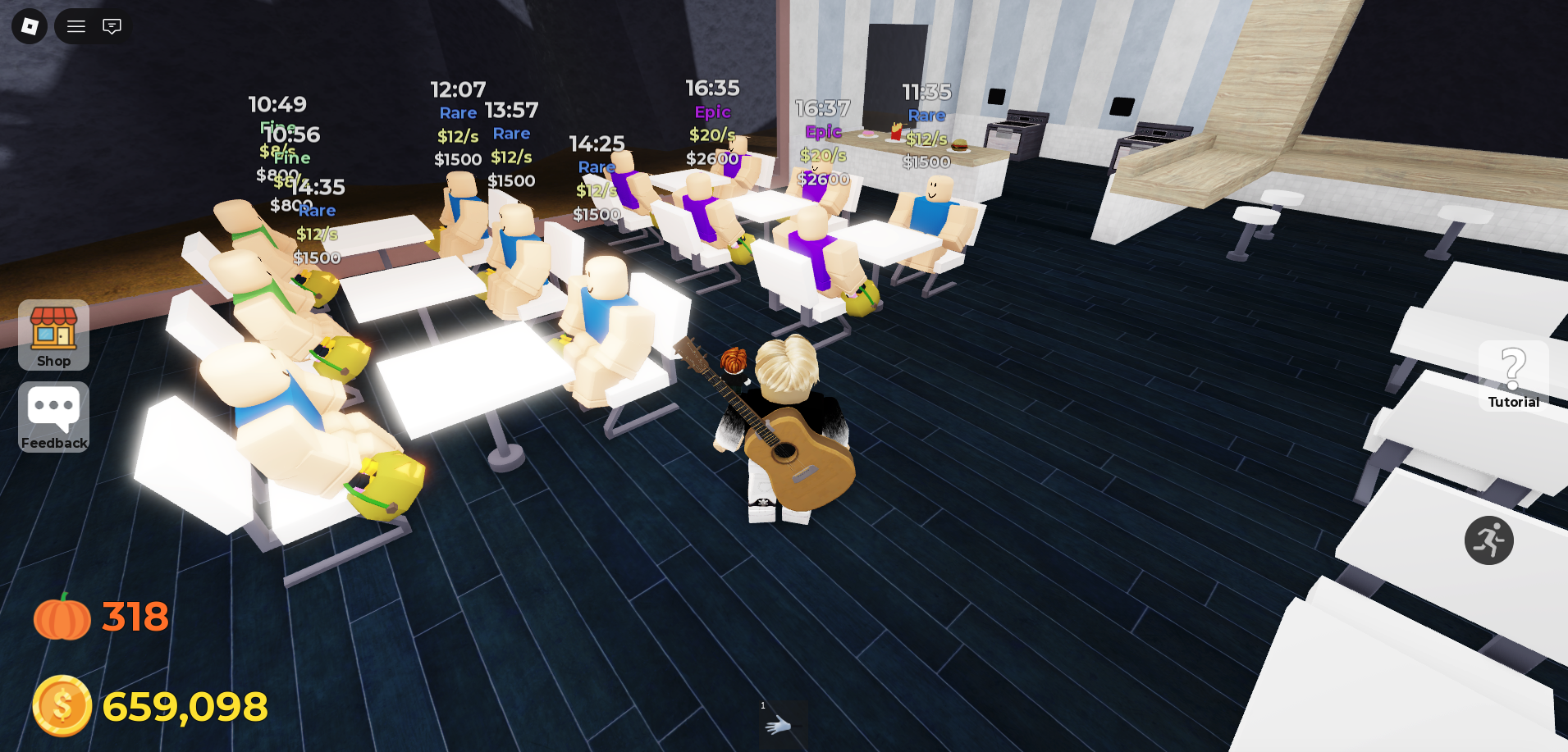
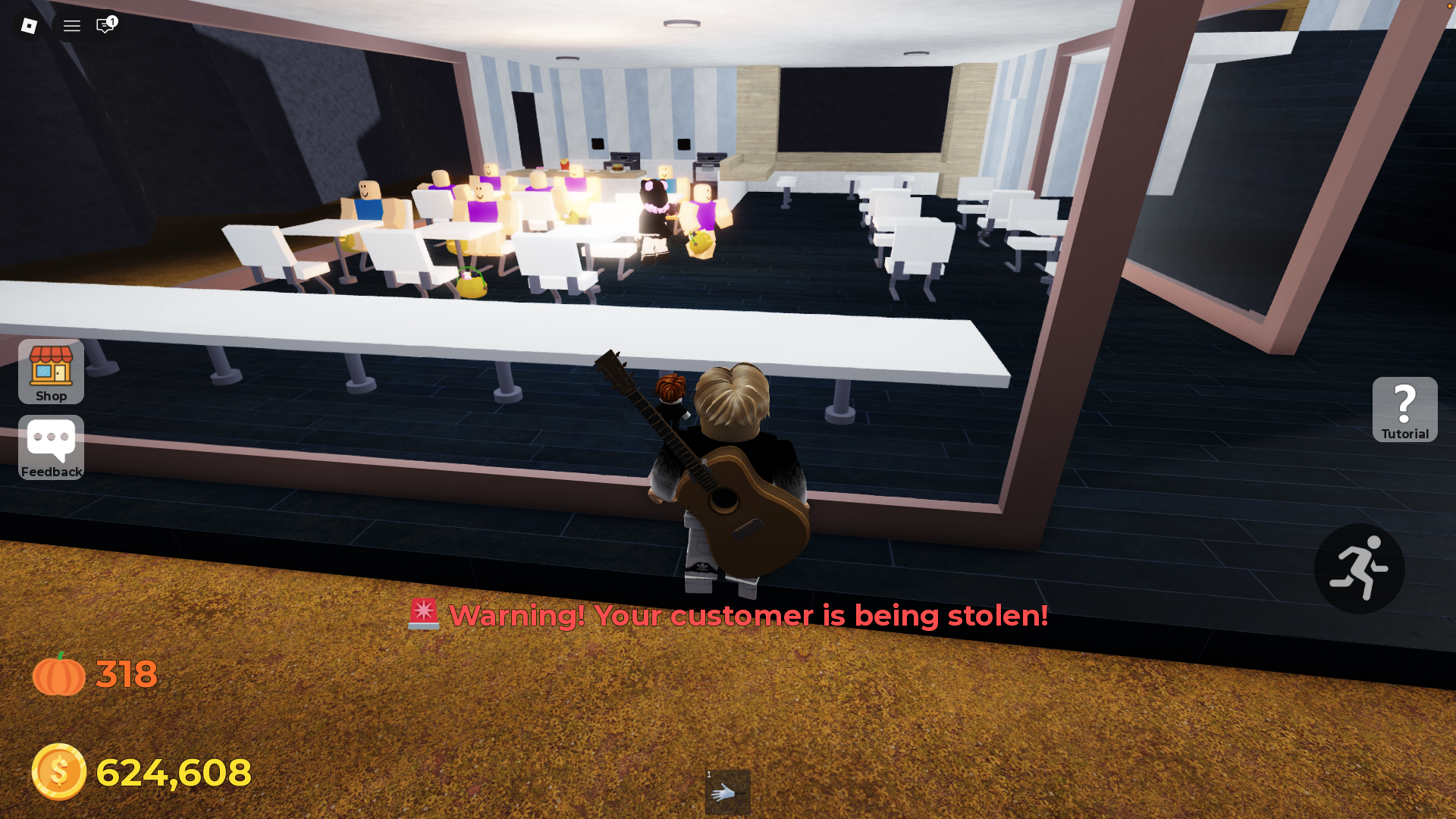
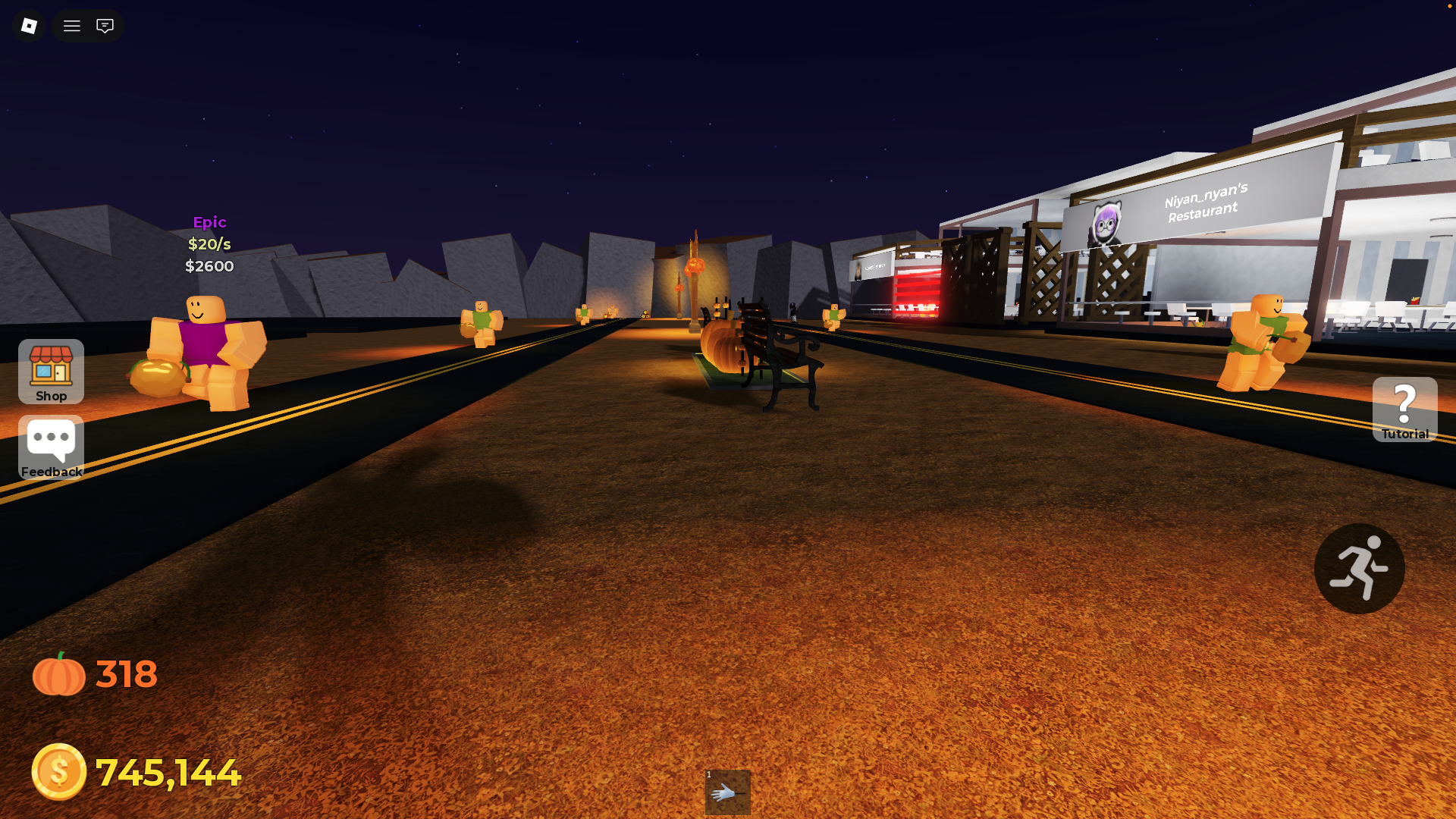
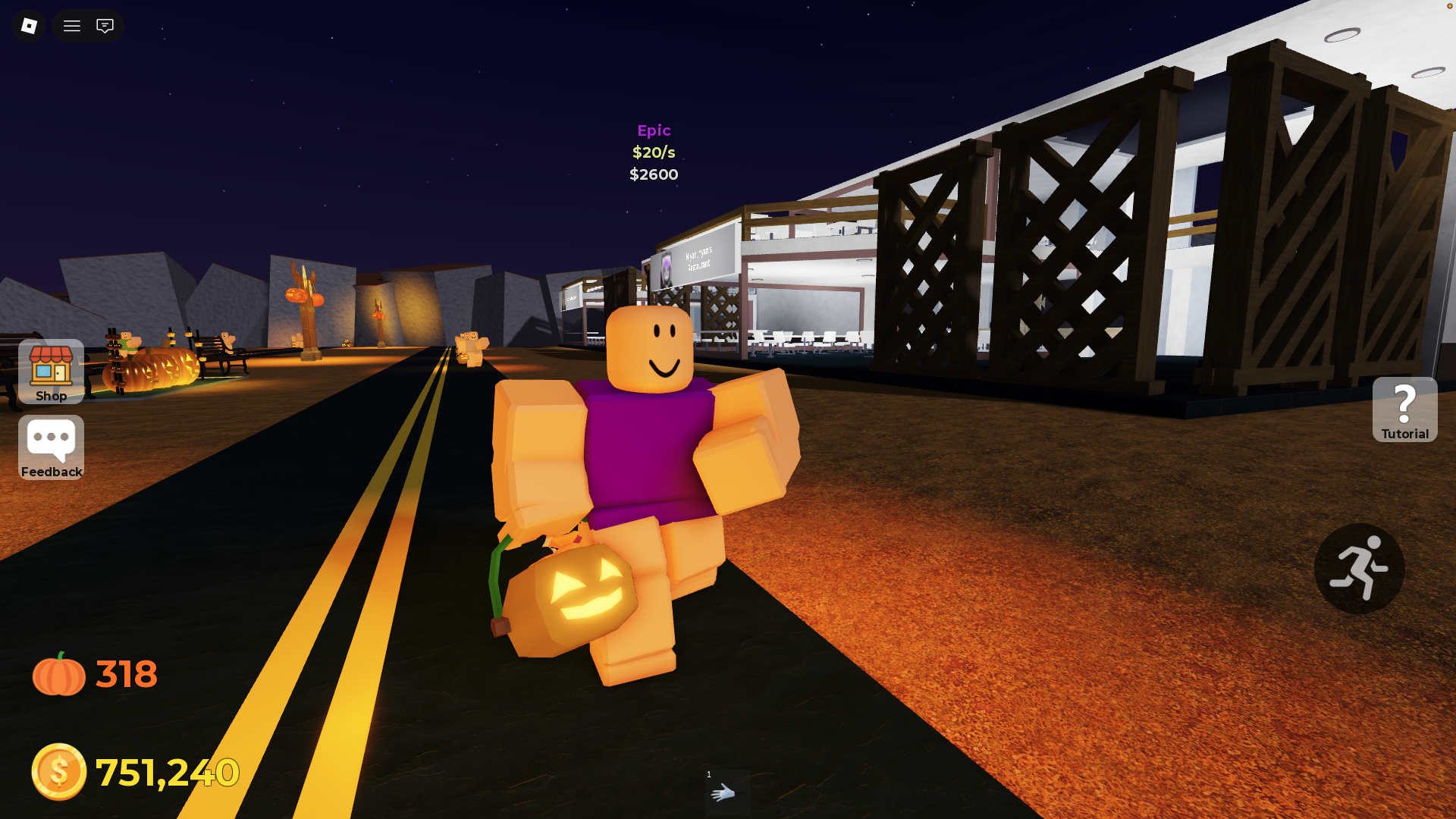
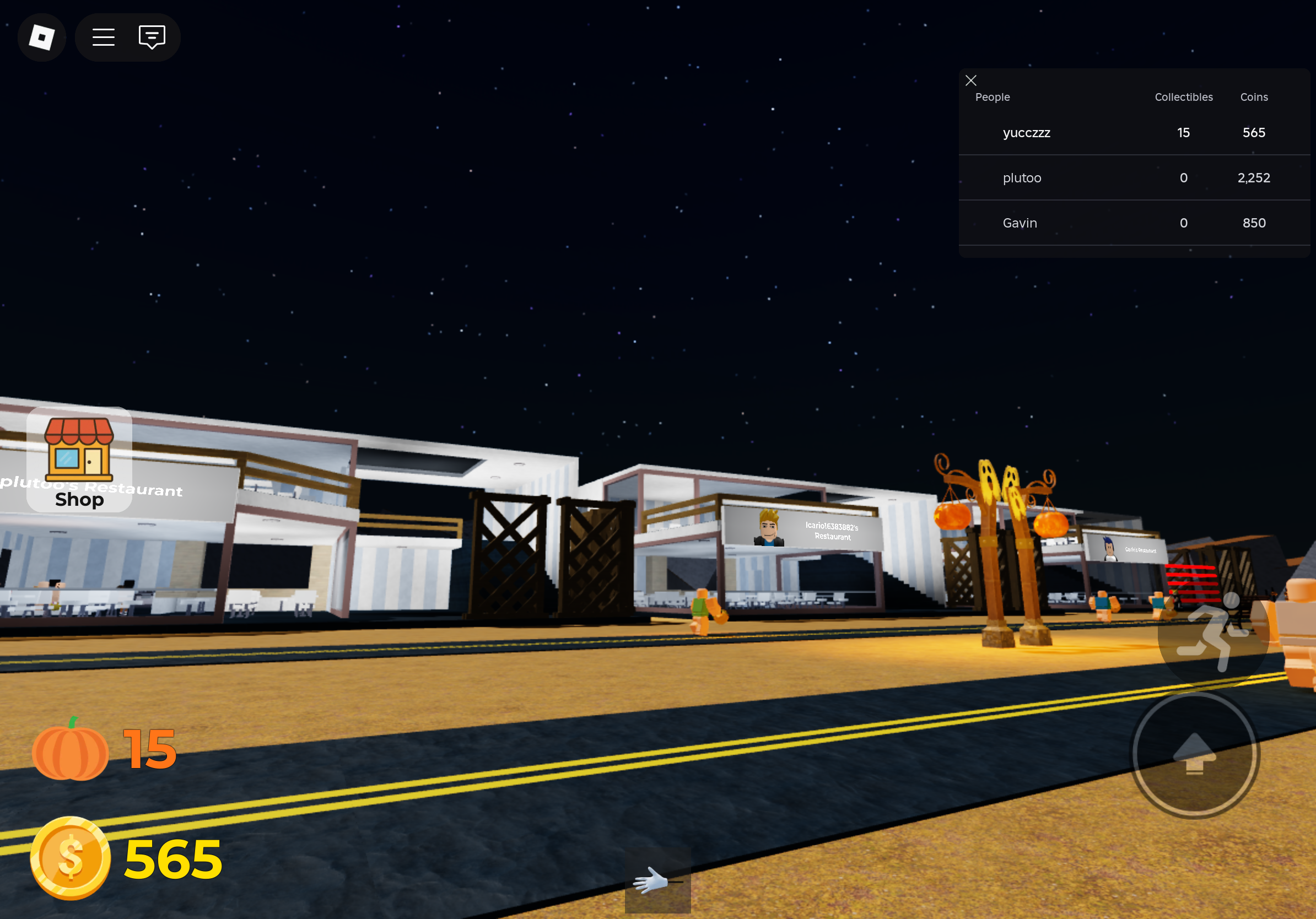
Steal and Serve builds on this gameplay by adding restaurant management elements. Customers of different rarities appear along the road, with rarer customers having a lower chance of appearing. Players can steal customers and bring them to their own restaurants, then prepare meals for them. While dining, customers generate different amounts of income based on their rarity, while customers who do not receive food will leave. When another player's restaurant has customers, players can also enter that restaurant and steal them.
Game Showcase
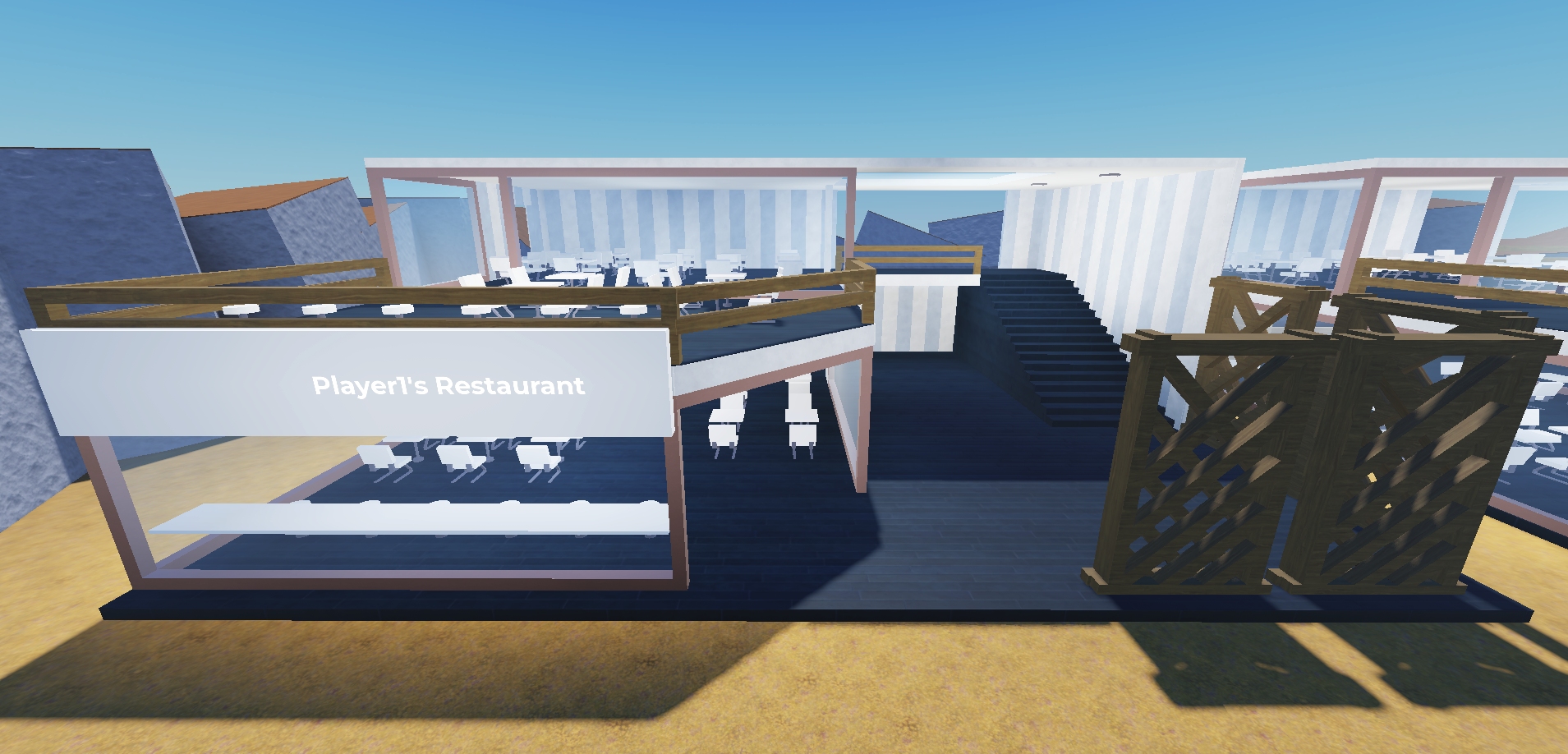
Restaurant Building
Customers Dining in the Restaurant with Timers Showing Their Remaining Time
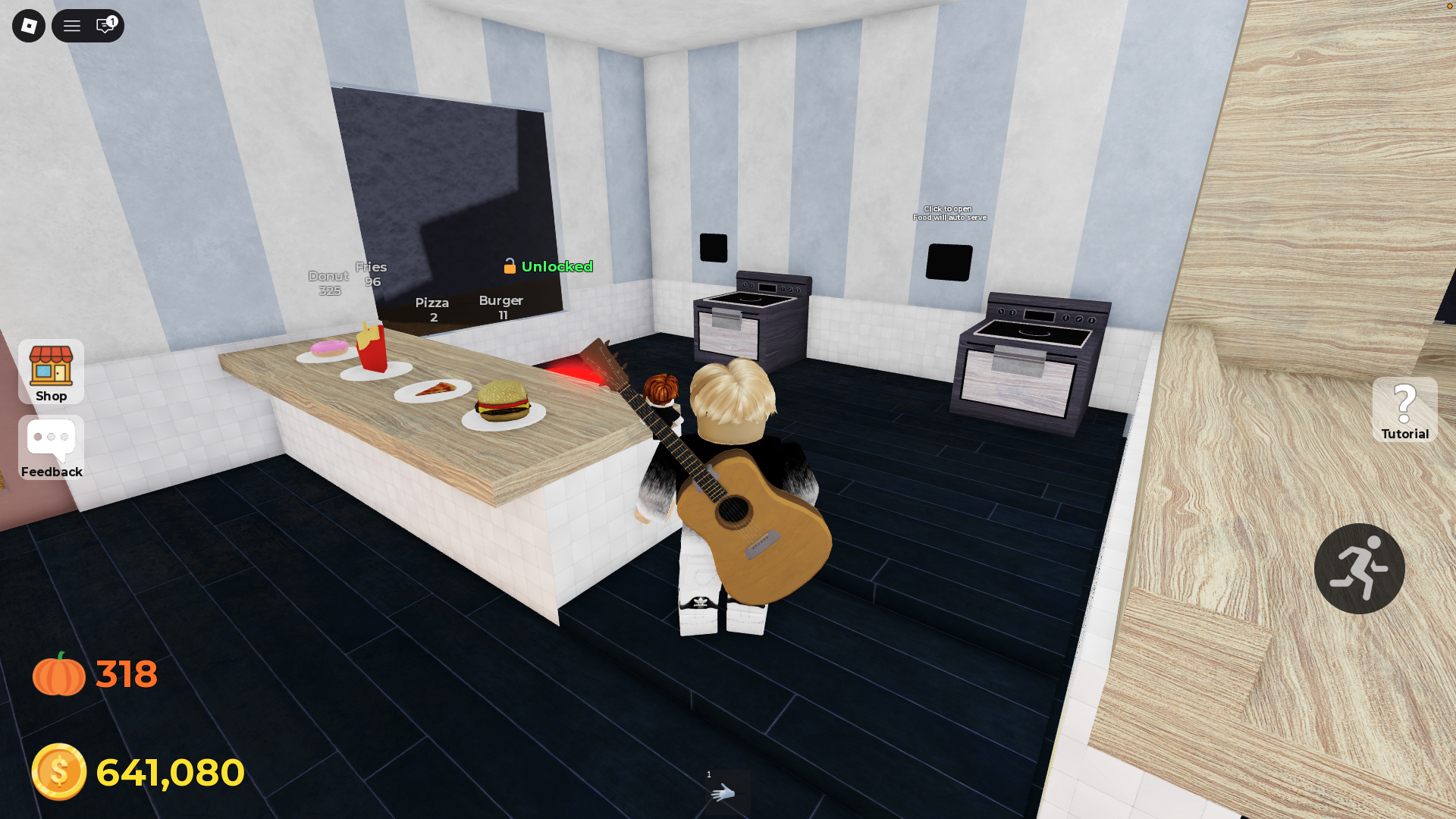
Kitchen
Customer Stealing Notification
Customers Available to Steal on the Road
UI
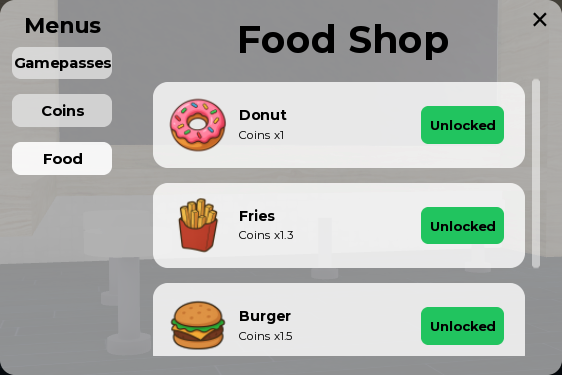
Shop Interface
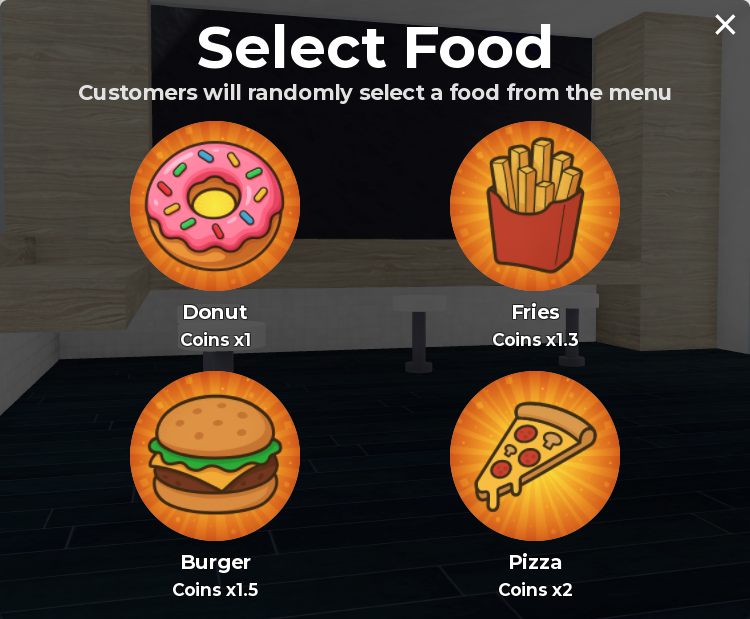
Menu Interface
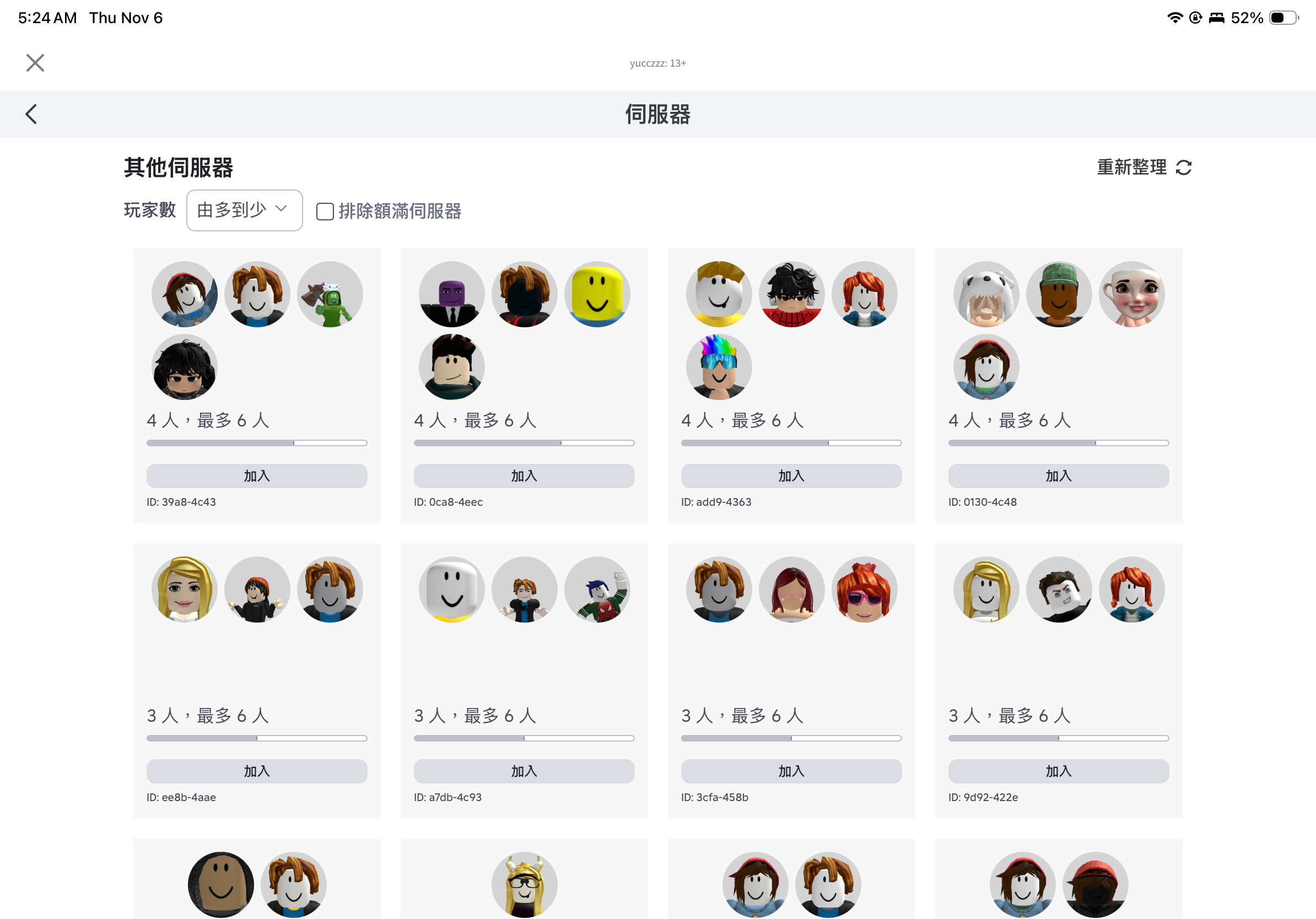
Other Players Playing the Game
Player Feedback
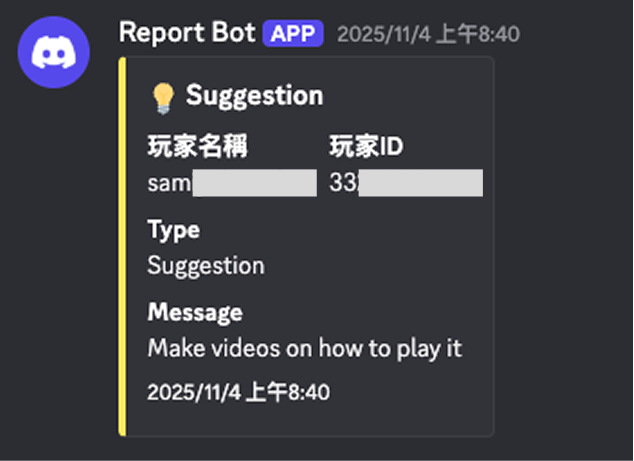
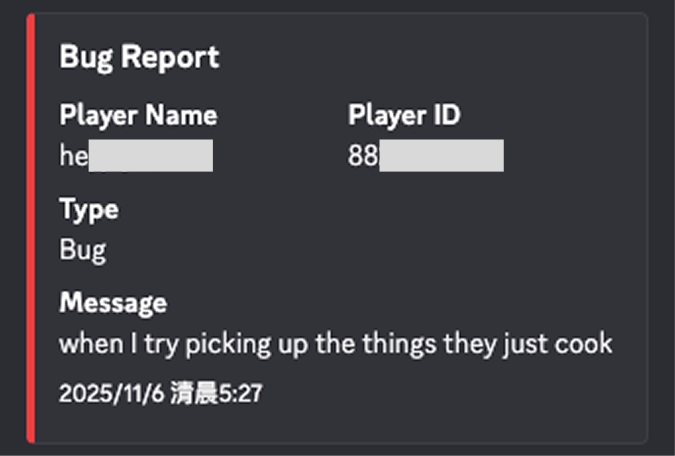
Steal and Serve was the first project I publicly released and had real players actively play. To collect feedback on the gameplay experience and bug reports, I added an in-game feedback form and integrated a Discord Webhook to send player submissions directly to Discord. After receiving feedback from actual players, I gained a better understanding that developing a game or product involves more than completing the code and features. It also requires evaluating the user experience through observation, feedback, and thinking from the player's perspective. Gameplay that feels intuitive to the developer may still be difficult for players to understand. For instance, because many Roblox players are younger, some players expected a video tutorial that could quickly explain the game's objectives and controls.
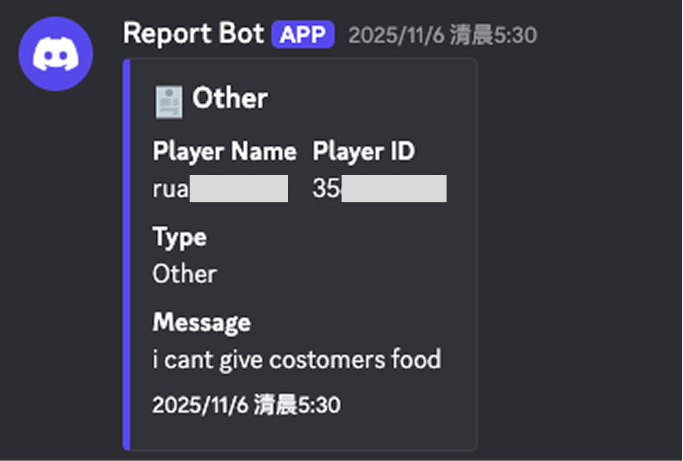
Another example was the meal-serving flow. After a player finished cooking, the system automatically delivered the meal to the customer, removing the need for a manual serving action. This design was intended to simplify the gameplay flow, but players could still expect to serve the food themselves based on their previous experience with restaurant management games. Without clear on-screen guidance and immediate feedback, players might not realize that the meal had already been delivered automatically and could even mistake the intended behavior for a bug. This showed me that even when a feature simplifies the number of actions required, clear feedback is still necessary when the interaction differs from what players already expect.
Technologies
- Roblox-TS: roblox-ts is a tool that compiles TypeScript into Luau. Since I am more familiar with type systems and C-style language syntax, I chose to develop the game in TypeScript and compile it into Luau, the Lua-derived language used by Roblox
- Roblox Studio: Builds the restaurant, road, and game environment
- Discord Webhook: Receives gameplay feedback and bug reports submitted through the in-game form